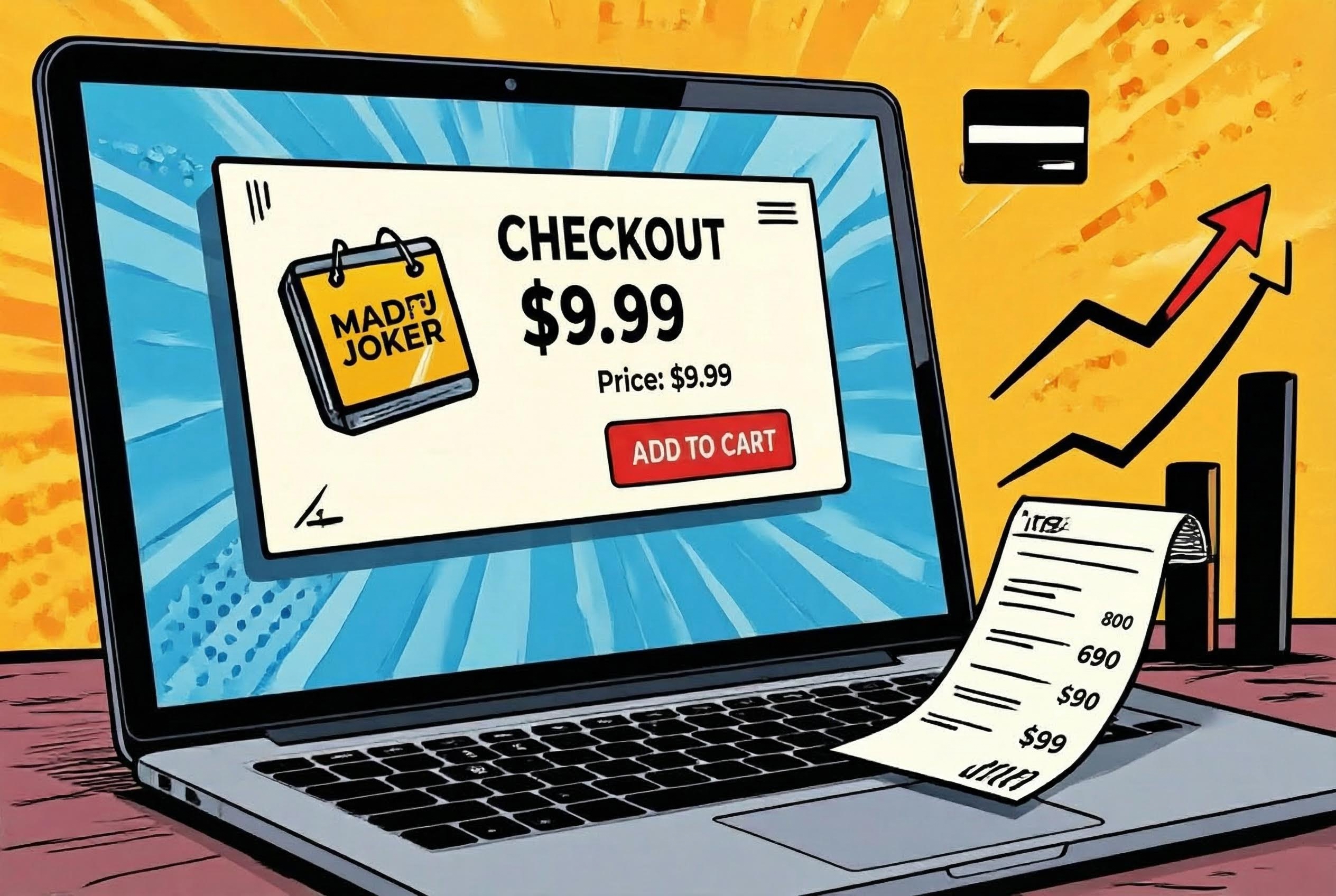
What Exactly Are Cross-Sell Popups?
You know what’s wild? A tiny popup can quietly boost your revenue more than a huge homepage redesign ever will. Cross-sell popups are those targeted offers that appear right when your shopper is already adding something to cart, nudging them toward a highly related, higher-value product. They’re not random ads - they’re personalized suggestions that make your customer feel like you’re actually paying attention. Used right, they turn casual buyers into bigger spenders without feeling pushy or spammy at all.
How They Work: The Nitty-Gritty
What really flips the script is that cross-sell popups don’t just show up anywhere, they trigger at high-intent moments like add-to-cart or checkout. You track what a shopper is viewing, what they’ve bought before, and then throw in a smart offer: “Add this for 15% off?” or “Complete the kit with this.” The magic is that you’re using behavior, not guesswork, so your popup feels like helpful timing, not an annoying interruption - which is exactly why they quietly lift average order value.
To go a bit deeper, you’re basically wiring your store so that every key action - viewing a product, adding to cart, hitting checkout - can trigger a specific, highly relevant popup. One shopper adds a power drill, you suggest compatible drill bits; another adds skincare, you surface the matching serum. This is behavioral targeting in real time, and if that sounds familiar, it’s because retail has always been about positioning the right item in the right spot, which is why stories like major theft rings hitting big-box stores matter here too: when inventory loss rises, you’ve got to work smarter with every legit shopper you do have. So your cross-sell logic becomes a kind of quiet profit shield - more value from each honest cart, less pressure to chase volume at any cost, and that’s exactly how you keep margins healthy while still offering your customers stuff that actually helps them get better results from what they’re already buying.
Why You Shouldn't Just Dismiss Them
You might think cross sell popups are just annoying clutter, but when you set them up right they quietly boost your average order value without wrecking the experience.
Tips for Making Cross-Sell Popups Work for You
You might assume cross-sell popups are just random product spam, but smart ones feel like a helpful salesperson quietly stepping in at the right time. You tailor offers to cart content, set frequency caps, and align designs with your brand so shoppers feel guided, not ambushed. Perceiving relevance, timing, and value in your popups is what turns them into a steady AOV booster instead of a conversion killer.
- Cross sell popups
- Average order value
- Conversion rate
- Upsell strategy
- Customer experience
Some people think "set and forget" popups will magically fix their cart, but if you want them to actually work for you, you treat them like a living part of your sales strategy, not a dusty plugin.
Because you run A/B tests on copy, timing, and discounts, you quickly spot what feels helpful vs pushy, and you double down on what your audience actually clicks. And you never ignore mobile - cramped popups that block the whole screen will tank your conversion rate faster than any bad headline. Perceiving how small tweaks to relevancy, design, and frequency compound over thousands of sessions is exactly how you quietly raise average order value without adding friction.
- Targeted recommendations
- A/B testing
- Mobile optimization
- Customer journey
- Cart value
Attracting Leads: How Do They Help?
You care about traffic, but what you really want is people raising their hand saying, "yep, I'm ready to buy". Smart cross sell popups grab those warm visitors at exactly that moment, showing relevant add-ons or bundles based on what’s already in their cart. Because they’re targeted, they feel helpful, not spammy, so you capture more emails, more intent, and more qualified leads without extra ad spend.
Turning Leads into Sales: Real-Life Success Stories
You don’t just want more leads sitting in your CRM, you want actual money in the bank. Stores that plug in smart cross sell popups often see average order values jump 15-30% because shoppers happily add related products they’d totally missed. One merchant paired drill purchases with bit sets and saw thousands in extra monthly revenue - all from a tiny popup that felt like a friendly nudge, not a hard sell. When the world’s dealing with headline stuff like major theft rings hitting retailers, quietly increasing order value on the honest customers you already have is a seriously underrated win.
When you zoom in on real stores using cross sell popups, it gets pretty eye-opening. A mid-sized home improvement shop, for example, started showing a small popup whenever someone added a power tool, suggesting safety gear and bit kits, and within 60 days their average order value climbed 22% with zero extra ad budget. Another brand selling decor used popups to bundle matching pieces - lamps with side tables, frames with wall shelves - and saw more than half of popup clickers actually accept at least one upsell, so those "tiny" offers quietly stacked thousands in revenue every month.
Common Misconceptions About Cross-Selling
You care about AOV, but you also care about not annoying your customers, right? A big myth is that cross-sell popups are always spammy or push people away. In reality, when you use smart triggers, relevant products, and timing that fits the journey, you actually feel more like a helpful store associate than a nag.
The Fine Line: When Are They Too Much?
This part really hits your bottom line: there’s a razor-thin line between helpful and pushy with cross-sell popups. When you fire popups on every click, toss in irrelevant items, or block the checkout, your customer feels trapped and bails. But when you limit frequency, tie offers to cart behaviour, and keep the design light, you’re simply guiding them to smarter choices.
When you dig deeper into that fine line, it’s really about respect for your customer’s attention and intent. You wouldn’t follow someone around a physical store waving products in their face, so you shouldn’t let your site do that either with 5 popups before they even hit checkout. Start by capping how many cross-sell prompts you show per session, then prioritize timing: trigger a subtle popup right after they add to cart, or as a tiny nudge on the cart page, not mid-browse when they’re still figuring out what they even want.
Relevance is your safety net here. If someone buys a drill, popping up drill bits or a safety kit feels helpful, but showing random clearance patio furniture? That feels like noise. The more tightly your cross-sell matches the original intent, the less it feels like a sales trick.
One more thing that often gets ignored: the tone and design of your popup. Loud, fullscreen, can’t-close-it overlays feel like a hostage situation, especially on mobile. Compare that with a small, slide-up panel that clearly shows "You might also like..." and a single primary recommendation. Feels totally different, right? If you keep your copy conversational, your close button obvious, and your recommendations limited to 1-3 high-fit products, you boost average order value while still making your customer feel in control.
Trends to Watch Out For
While old-school popups just shouted discounts, smart cross sell popups are getting predictive, almost like a helpful salesperson who actually knows what you want. You’re seeing more AI-driven suggestions, tighter inventory sync, and stronger fraud awareness too. If your popups don’t factor in real-time stock, margins, and risk signals, you’re leaving serious money and safety on the table.
How to Stay Ahead in the Game
Instead of guessing what might work, you want your cross sell popups to run like a tight little experiment lab that never sleeps. Test product pairings, copy, and timing relentlessly, then double down on what lifts average order value without wrecking the experience.
Most brands just let popups run on autopilot and hope for the best, but if you want to stay ahead, you treat cross selling like a living, breathing part of your growth engine. You’re constantly checking which product bundles bring in the highest AOV, which offers attract legit buyers vs sketchy ones, and where customers actually start to feel annoyed and bounce. And you’re not doing this in a vacuum either - you’re watching how retail crime hits inventory and margins, like in the Home Depot theft ring coverage, then tweaking your offers so you highlight high-margin, safer-to-promote items instead of stuff that’s constantly at risk or out of stock.